Book Your Appointment
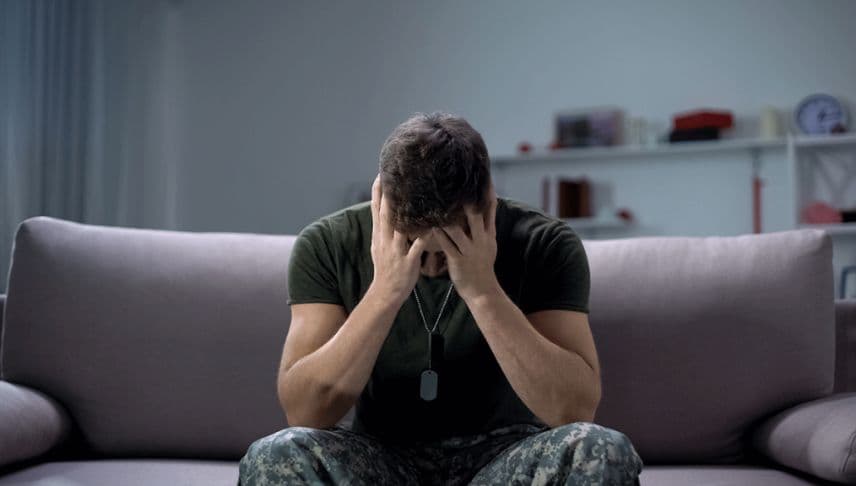
PTSD, or Post-Traumatic Stress Disorder, can happen after a person experiences or witnesses a deeply frightening, shocking, or dangerous event. It may develop after accidents, violence, abuse, war, natural disasters, sudden loss, or medical trauma. PTSD occurs when the brain and body remain stuck in survival mode after trauma. PTSD does not affect everyone who goes through trauma, but it is more common than many people think. According to the World Health Organization, about 3.9% of the world’s population has experienced PTSD at some stage in life. In the United States, NIMH reports that about 3.6% of adults had PTSD in the past year. There are many reasons why PTSD may develop. The risk can increase if the trauma was severe, repeated, unexpected, or life-threatening. Lack of emotional support after the event, previous trauma, ongoing stress, and personal mental health history can also play a role. However, PTSD is treatable with the right support. “Healing does not mean forgetting the past; it means learning how to live beyond it.” PTSD symptoms can affect the way a person thinks, feels, sleeps, reacts, and connects with others. These symptoms may start soon after trauma, or they may appear weeks, months, or even years later. Below are the 7 major symptoms of PTSD: Flashbacks are one of the most common symptoms of PTSD. A person may suddenly feel as if the traumatic event is happening again, even when they are actually safe. These memories can be triggered by sounds, smells, places, people, or situations connected to the trauma. During a flashback, the person may feel panic, fear, sweating, shaking, or a fast heartbeat. PTSD often affects sleep because the mind stays alert even when the body is tired. A person may have repeated nightmares about the traumatic event or wake up feeling scared and restless. Some people avoid sleeping because they fear bad dreams or painful memories. Poor sleep can make anxiety, mood swings, and concentration problems worse. Avoidance is another major sign of PTSD. A person may avoid places, people, conversations, news, sounds, or activities that remind them of what happened. They may also avoid talking about the trauma because it feels too painful or overwhelming. While avoidance may feel protective at first, it can slowly make fear stronger and healing harder. People with PTSD may feel like danger is always near, even when there is no real threat. They may become easily startled, nervous, tense, or unable to relax. This can make it difficult to focus at work, school, or home. Constant alertness can also cause headaches, body tension, tiredness, and emotional exhaustion. PTSD can make emotions feel intense and hard to control. A person may become angry quickly, feel irritated over small things, or react more strongly than usual. They may also feel sadness, guilt, shame, or hopelessness. These emotional changes can affect relationships, communication, self-confidence, and daily routine. PTSD can change the way a person sees themselves, other people, and the world. They may blame themselves for the trauma, even when it was not their fault. Thoughts like “I am not safe,” “I am weak,” or “Something bad will happen again” may become common. These beliefs can increase fear, isolation, sadness, and emotional pain. A person with PTSD may begin to pull away from family, friends, and social activities. They may feel emotionally numb, disconnected, or unable to enjoy things they once liked. Sometimes they want support but do not know how to ask for it. This withdrawal can make them feel lonely, misunderstood, and more trapped in their trauma. “Asking for help is not a sign of weakness; it is a sign that you are ready to heal.” Identifying PTSD symptoms early can make recovery easier. PTSD is not a personal weakness, and it is not something a person should simply “get over.” With therapy, support, and proper treatment, many people can manage symptoms and rebuild a peaceful life. Professional help from a psychiatrist in Richardson is important when PTSD symptoms disturb sleep, work, relationships, or personal safety. Talk to a mental health specialist in Richardson if symptoms last more than a month. Reach out to trusted family members or friends for emotional support. Avoid alcohol or drugs as a way to escape trauma symptoms. Practice grounding techniques when flashbacks or panic appear. Seek urgent help if you feel unsafe or have thoughts of self-harm. PTSD can affect the mind, body, emotions, and relationships in many different ways. Some people experience flashbacks and nightmares, while others struggle with anger, fear, avoidance, or emotional numbness. No matter how symptoms appear, they should not be ignored.Common Signs and Symptoms of PTSD
1. Flashbacks and Intrusive Memories
2. Nightmares and Sleep Problems
3. Avoiding Trauma Reminders
4. Feeling Constantly Alert or On Edge
5. Anger, Irritability, and Mood Swings
6. Negative Thoughts and Self-Blame
7. Social Withdrawal and Emotional Numbness
Seek Support Before PTSD Gets Worse
Conclusion
FAQs
About Dr. Mayur Patel
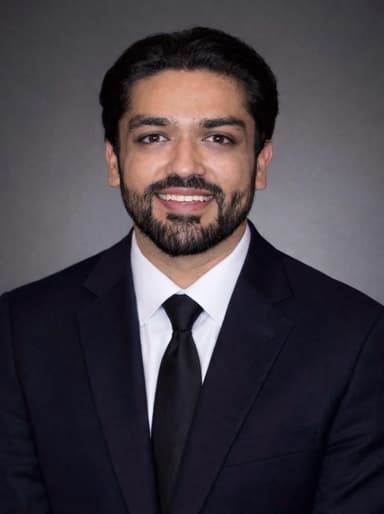
Dr. Mayur Patel is an Interventional Psychiatrist specializing in the treatment of anxiety, depression, and mood disorders. He provides patient-centered care by understanding individual needs and developing personalized treatment plans. His approach includes advanced treatments, medications, TMS, and Spravato, combined with clear communication and compassionate support. Dr. Patel focuses on helping patients regain emotional balance, improve mental well-being, and achieve a better overall quality of life for lasting positive outcomes.