Book Your Appointment
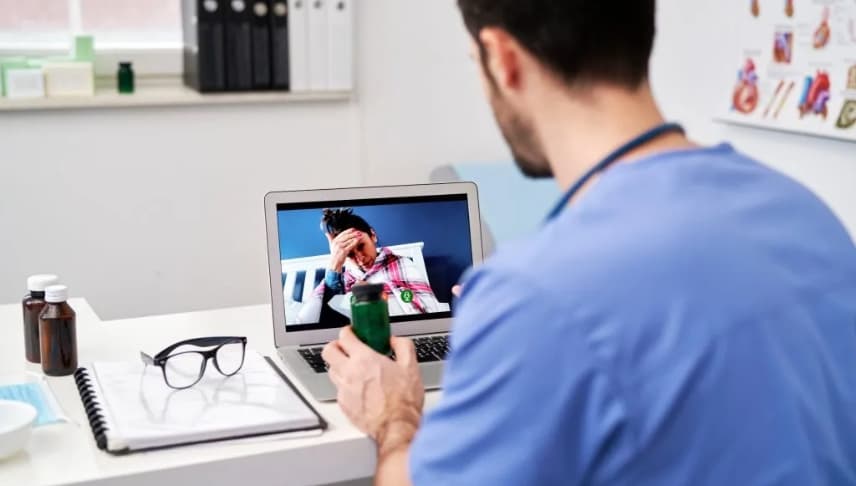
Anxiety and depression can quietly affect daily life, making even simple routines feel overwhelming. Access to timely support plays a major role in managing these conditions. Telehealth has transformed how mental health care is delivered, offering patients a convenient and flexible way to connect with professionals without the stress of travel or long waiting times. Modern lifestyles demand solutions that fit into busy schedules while still providing high-quality care. Telehealth makes it easier for people to seek help early, stay consistent with treatment, and maintain privacy. For many, it removes common barriers to mental health care and creates a supportive environment where recovery becomes more achievable and sustainable over time. Telehealth refers to the use of digital technology, such as video calls, phone consultations, and secure messaging, to provide healthcare services remotely. It allows patients to connect with licensed mental health psychiatrists from the comfort of their home, making care more accessible for those who may face challenges visiting a clinic in person. This approach is widely used for mental health services, including TMS therapy, medication management, and follow-up consultations. Telepsychiatry in Texas supports continuity of care while maintaining professional standards, helping people receive consistent support for anxiety and depression without interruptions or unnecessary delays. “Mental health care should be easy to access, not hard to reach, virtual care makes support available when it’s needed most.” Telehealth in Texas offers a modern approach to mental health care that focuses on convenience, accessibility, and patient comfort. It supports people in managing anxiety and depression by removing many traditional barriers to treatment and making professional help easier to access. Telehealth removes geographical limitations, allowing people to connect with qualified professionals regardless of location. This is highly beneficial for people living in remote or underserved areas where mental health services may be limited. It helps keep timely support within reach, improving the chances of early diagnosis and effective treatment. Receiving care from home creates a more relaxed environment, which can be beneficial for people dealing with anxiety or depression. Patients often feel more comfortable opening up when they are in a familiar setting. Telehealth in Texas also reduces concerns about stigma, offering a private and discreet way to seek professional help. Telehealth appointments are easier to fit into daily routines compared to traditional clinic visits. Many providers offer extended hours, making it possible to schedule sessions outside of work or school commitments. This flexibility helps patients stay consistent with therapy, which is essential for managing mental health conditions effectively. Eliminating the need for travel saves both time and energy, which can be particularly valuable for patients experiencing low motivation or fatigue due to depression. Virtual mental health care in Richardson reduces waiting room times, allowing patients to receive care more efficiently and with less stress. Online psychiatry supports ongoing communication between patients and healthcare providers. Regular follow-ups, medication reviews, and therapy sessions can be maintained without interruption. This consistent care approach plays a critical role in managing symptoms and preventing relapse over time through remote mental health services. In many cases, Telepsychiatry services can reduce overall healthcare costs by eliminating transportation expenses and minimizing time away from work. Some providers also offer more affordable virtual consultation options, making mental health care accessible to a wider range of people. Patients are more likely to attend sessions regularly when care is convenient and easily accessible. Online psychiatry in Richardson encourages active participation in treatment, helping patients stay committed to their mental health goals and achieve better long-term outcomes. Both options provide effective support for anxiety and depression, but they differ in how care is delivered and experienced. Understanding these differences helps patients choose the approach that best fits their comfort, schedule, and treatment needs. Virtual mental health care allows patients to connect with healthcare providers through video calls, phone consultations, or secure messaging. It offers flexibility, convenience, and easy access to care without the need to travel. This option works well for those with busy routines, mobility challenges, or those who prefer receiving care in a private and familiar environment. In-person therapy involves face-to-face sessions at a clinic or healthcare facility. It provides a more traditional approach where direct interaction can help build a stronger personal connection with the provider. This option may be preferred by patients who feel more comfortable with physical presence or require hands-on evaluations and a structured clinical setting. “Healing begins with a conversation, and sometimes the most comfortable place to start is your own home.” Telehealth is ideal for individuals who experience difficulty accessing in-person care due to location, time constraints, or physical limitations. It is also beneficial for those who feel anxious about visiting a clinic or prefer a more private and comfortable setting for therapy sessions. Students, working professionals, and individuals managing chronic mental health conditions can all benefit from the flexibility of an online psychiatrist in Richardson. It allows them to maintain consistent treatment while balancing other responsibilities, supporting long-term mental well-being. Telehealth has become a valuable solution for individuals managing anxiety and depression by making mental health care more accessible, flexible, and patient-focused. It removes many traditional barriers, allowing people to seek help earlier and stay consistent with their treatment, which is essential for improving overall mental well-being and daily functioning. As technology continues to evolve, Telepsychiatry will play an even greater role in shaping the future of mental health care. It offers a practical and effective way to receive professional support, helping individuals take control of their mental health journey with confidence and convenience. Take the first step toward better mental health, book your virtual consultation today and connect with an interventional psychiatrist from the comfort of your home.What is Telehealth?
Key Benefits of Telehealth for Anxiety and Depression
1. Easy Access to Mental Health Care
2. Greater Comfort and Privacy
3. Flexible Scheduling Options
4. Reduced Travel and Waiting Time
5. Continuity of Care
6. Cost-Effective Care
7. Improved Treatment Engagement
What is the Difference Between Telehealth and In-Person Visit?
Telehealth (Virtual Mental Health Care)
In-Person Therapy
Who Can Benefit Most from Telehealth?
Conclusion
FAQs
About Dr. Mayur Patel

Dr. Mayur Patel is an Interventional Psychiatrist specializing in the treatment of anxiety, depression, and mood disorders. He provides patient-centered care by understanding individual needs and developing personalized treatment plans. His approach includes advanced treatments, medications, TMS, and Spravato, combined with clear communication and compassionate support. Dr. Patel focuses on helping patients regain emotional balance, improve mental well-being, and achieve a better overall quality of life for lasting positive outcomes.