Book Your Appointment
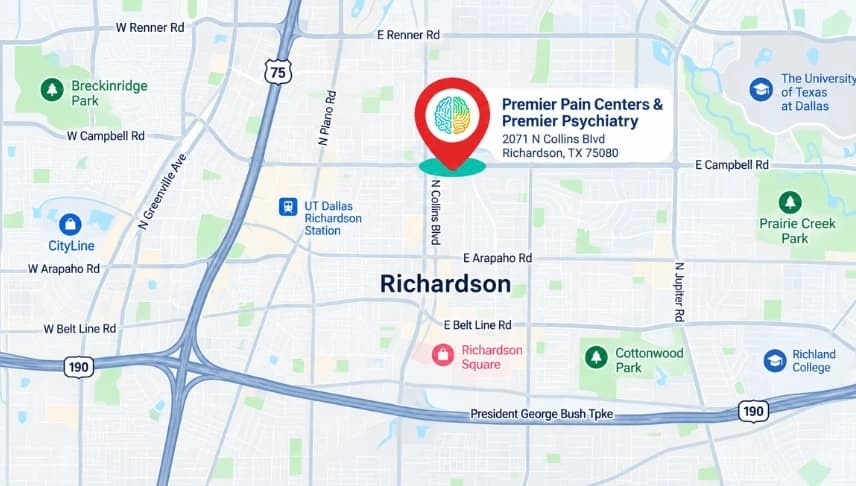
Mental health problems can develop because of biological, psychological, environmental, and social factors, including genetics, brain chemistry, stress, trauma, poor sleep, medical conditions, relationship challenges, work pressure, substance use, and major life changes. These concerns can affect sleep, concentration, motivation, relationships, decision making, and daily responsibilities. According to the National Institute of Mental Health, 23.1% of U.S. adults faced mental illness in 2022, when CDC data shows depression and anxiety affect many adults across different stages of everyday life nationwide. When mental health symptoms begin affecting mood, focus, sleep, relationships, or daily responsibilities, timely professional care can help identify the underlying concerns and guide the right treatment approach. At Premier Pain Centers & Premier Psychiatry, a mental health clinic in Richardson, TX, Mayur Patel, MD, an Interventional Psychiatrist, provides psychiatric evaluations and personalized treatment planning for depression, anxiety, ADHD, bipolar disorder, PTSD, OCD, sleep-related concerns, mood disorders, and other psychiatric conditions. His approach also includes medication management and advanced treatments such as TMS Therapy and Spravato® Therapy when clinically appropriate. Mental health influences much more than emotions. The brain helps regulate sleep, attention, memory, motivation, stress responses, social interaction, and decision making. When conditions such as anxiety or depression disrupt these functions, routine activities can become more difficult. Depression may affect energy, concentration, communication, and interest in everyday activities, when anxiety can lead to excessive worry, physical tension, racing thoughts, sleep problems, avoidance, and difficulty focusing. Mental health symptoms can also overlap, making it difficult to identify the exact cause without a psychiatric evaluation. Poor concentration, for example, may be related to ADHD, anxiety, depression, sleep problems, medication effects, or a combination of factors. The National Institute of Mental Health reports that anxiety disorders can interfere with job performance, schoolwork, and relationships, and an estimated 19.1% of U.S. adults had an anxiety disorder within a given year. A psychiatric evaluation can help clarify symptoms and guide appropriate treatment. Mental health care should do more than manage symptoms for the moment. It should help patients understand what they are experiencing and provide the best support for meaningful, long-term improvement. A mental health clinic in Richardson should offer thorough evaluations, personalized treatment plans, clear guidance, and consistent follow-up so care can be adjusted as symptoms, needs, and treatment goals change over time. Important factors may include: Care from an interventional psychiatrist Comprehensive psychiatric evaluations Individualized treatment planning Medication management when appropriate Care for multiple psychiatric conditions Advanced treatment options for eligible patients Regular follow-up and treatment monitoring Telepsychiatry options when clinically appropriate Clear communication about benefits, risks, and alternatives Coordination with therapists or other mental health doctors when needed A psychiatry clinic in Richardson TX may evaluate a wide variety of emotional, behavioral, and psychiatric conditions rather than focusing on only one diagnosis. Premier Pain Centers & Premier Psychiatry provides care for conditions including depression, anxiety, ADHD, bipolar disorder, PTSD, OCD, schizophrenia-related conditions, sleep concerns, mood disorders, emotional trauma, and other psychiatric needs. Depression can affect far more than mood. It may reduce energy, motivation, concentration, appetite, sleep quality, and interest in activities that once felt enjoyable. Some people may withdraw from family and friends, struggle to complete daily tasks, or develop feelings of guilt, hopelessness, or worthlessness. In more serious cases, thoughts of death or self-harm may occur. A psychiatric evaluation can help understand symptom severity, medical history, previous treatment, sleep patterns, and other factors before creating an appropriate care plan. Anxiety can become difficult to manage when worry, fear, panic, or physical tension starts interfering with daily life. A person may experience racing thoughts, restlessness, muscle tension, sleep problems, difficulty concentrating, panic attacks, or avoidance of certain situations. Because anxiety can appear in different forms, treatment depends on the specific symptoms, their severity, and how they affect everyday functioning. Care may include therapy, medication management, lifestyle changes, and regular psychiatric follow-up when needed. ADHD can affect attention, organization, time management, impulse control, and the ability to complete tasks consistently. Adults may struggle with forgetfulness, missed deadlines, distractibility, poor organization, restlessness, impulsive decisions, or difficulty balancing multiple responsibilities. Since similar symptoms can also occur with anxiety, depression, sleep disorders, trauma, or other conditions, a detailed evaluation is important to understand what may be contributing to concentration and attention difficulties before treatment begins. Bipolar disorder can cause significant changes in mood, energy, sleep, activity level, and behavior. Some individuals may experience periods of depression along with episodes of unusually elevated, energetic, irritable, or impulsive behavior. Changes in sleep needs, rapid speech, increased activity, and risky decisions may also occur. Accurate diagnosis is important because bipolar disorder can sometimes be confused with depression alone, and treatment may differ depending on the pattern of symptoms, past episodes, family history, and response to previous medications. Traumatic experiences can continue affecting emotional and physical well-being long after the event has ended. People with PTSD or other trauma-related conditions may experience intrusive memories, nightmares, emotional numbness, hypervigilance, irritability, anxiety, sleep problems, or avoidance of reminders connected to the trauma. These symptoms can affect relationships, work, concentration, and everyday routines. A mental health evaluation can help determine if symptoms are related to PTSD or another condition and guide an appropriate treatment approach. Obsessive-compulsive disorder can involve unwanted, repetitive thoughts, fears, images, or urges that create significant anxiety. To reduce that pain, a person may feel driven to repeat certain behaviors, routines, or mental rituals even when they know those actions are unnecessary. OCD can take up a large amount of time and interfere with work, school, relationships, and daily responsibilities. A psychiatric evaluation can help distinguish OCD from general anxiety, perfectionism, or other conditions with similar symptoms. Sleep and mental health are closely connected, and problems in one area can often make the other worse. Poor sleep may increase anxiety, irritability, low mood, memory problems, and difficulty concentrating, when conditions such as depression, PTSD, bipolar disorder, ADHD, and anxiety can also disrupt healthy sleep patterns. In some cases, these problems may be linked to a sleep disorder, making proper evaluation important when sleep difficulties continue or begin affecting daily life. When sleep problems continue, it is important to look beyond insomnia alone and consider emotional, psychiatric, behavioral, and physical factors that may be contributing to the difficulty. Mental health care can involve more than one type of support. Depending on symptoms, diagnosis, treatment history, and personal needs, care may include psychiatric evaluation, medication management, advanced therapies, or virtual follow-up options. A psychiatric evaluation helps identify factors that may be contributing to changes in mood, behavior, sleep, concentration, or daily functioning. The psychiatrist may review current symptoms, medical history, medications, previous treatments, family history, stress, trauma, and lifestyle concerns. This detailed assessment helps create a clearer understanding of the patient’s needs before treatment begins. Medication management involves more than prescribing psychiatric medication. A psychiatrist may monitor symptom improvement, side effects, sleep, appetite, mood changes, medication response, and possible drug interactions over time. Regular follow-up allows treatment to be adjusted when necessary and helps ensure medications continue to support the patient’s individual mental health needs. TMS Therapy is a noninvasive treatment that uses magnetic pulses to stimulate areas of the brain involved in mood regulation. It may be considered for certain patients with depression who have not experienced enough improvement from standard treatments. TMS therapy does not require surgery or anesthesia, and treatment is provided through scheduled outpatient sessions after appropriate clinical screening. Spravato treatment may be considered for eligible adults with treatment-resistant depression. Spravato contains esketamine and is administered as a nasal spray in a certified healthcare setting under medical supervision. Patients are monitored after each session because temporary effects may include sedation, dissociation, or changes in blood pressure, making careful evaluation and follow-up an important part of treatment. Ketamine therapy may be discussed with selected patients whose symptoms have not improved sufficiently with other approaches. IV ketamine used for depression is different from Spravato and is generally classified as an off-label treatment. A best psychiatrist in Richardson can review medical history, previous treatments, potential benefits, possible risks, and individual goals before determining if ketamine-related treatment may be appropriate. Telepsychiatry provides eligible patients with a convenient way to receive certain psychiatric services remotely. Virtual appointments may be used for evaluations, medication follow-ups, symptom monitoring, and continuing care when clinically appropriate. This option can be particularly useful for patients managing work, transportation, family responsibilities, or busy schedules when still maintaining regular contact with their psychiatric provider. You do not have to wait until symptoms become severe before requesting help. Schedule a psychiatric evaluation when changes in mood, thinking, sleep, behavior, or concentration begin interfering with your quality of life. Signs that may deserve clinical attention include: Depression lasting two weeks or longer Frequent or uncontrollable anxiety Panic attacks Significant changes in sleep Difficulty functioning at work or school Loss of interest in normal activities Persistent irritability Problems concentrating Major changes in energy Increased impulsivity Recurrent intrusive thoughts Symptoms related to trauma Medication that no longer seems effective Side effects from psychiatric medication Mental health symptoms affecting relationships Mental health concerns can affect sleep, focus, relationships, work, and everyday responsibilities, but the right evaluation can help identify what may be contributing to these changes. At Premier Pain Centers & Premier Psychiatry, Mayur Patel, MD, provides personalized psychiatric care, medication management, telepsychiatry, and advanced treatment options such as TMS Therapy and Spravato when clinically appropriate. Better mental health often begins with the best conversation and a treatment plan tailored to your needs. At our mental health clinic in Richardson, TX, you can book an appointment to discuss your symptoms, treatment history, and available care options. Call 469-562-4188 to schedule your visit and take a confident step toward better emotional well-being.Why Mental Health Problems Can Affect Everyday Life
What Makes a Mental Health Clinic in Richardson Best for Your Needs?
Mental Health Conditions Treated in Richardson
Depression
Anxiety Disorders
ADHD
Bipolar Disorder
PTSD and Trauma Related Conditions
OCD
Sleep and Mental Health Problems
Personalized Mental Health Care for Every Stage of Treatment
Psychiatric Evaluation
Medication Management
TMS Therapy
Spravato Treatment
Ketamine Therapy
Telepsychiatry
When Should You Visit a Mental Health Clinic?
Take the Next Step Toward Better Mental Health
FAQs
About Dr. Mayur Patel

Dr. Mayur Patel is an Interventional Psychiatrist specializing in the treatment of anxiety, depression, and mood disorders. He provides patient-centered care by understanding individual needs and developing personalized treatment plans. His approach includes advanced treatments, medications, TMS, and Spravato, combined with clear communication and compassionate support. Dr. Patel focuses on helping patients regain emotional balance, improve mental well-being, and achieve a better overall quality of life for lasting positive outcomes.