Book Your Appointment
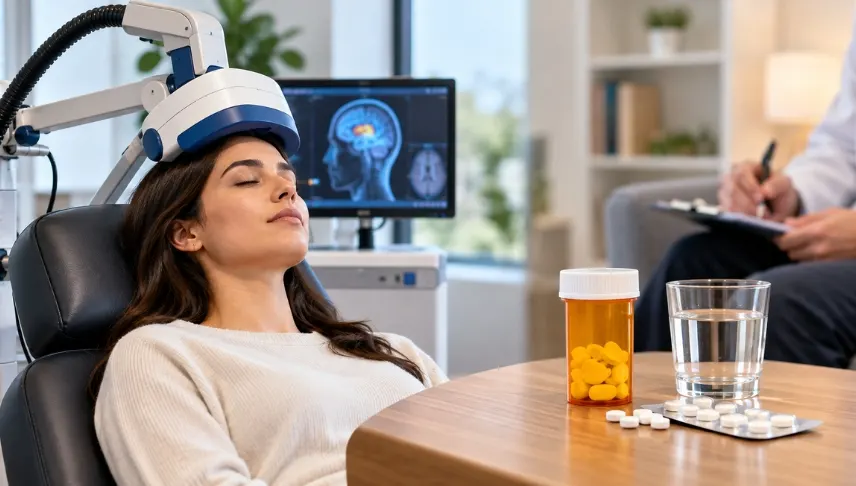
Depression can make everyday activities feel overwhelming. Chronic sadness, low energy, difficulty concentrating, and changes in sleep can affect work, relationships, and overall well-being. Antidepressant medications help many people manage depression, but some continue struggling with symptoms despite following their prescribed treatment plans. Learning about the differences between Transcranial Magnetic Stimulation (TMS) therapy and antidepressant medication can help patients make informed decisions about their mental health treatment. At Premier Psychiatry in Mesquite, TX, Mayur Patel, MD, provides psychiatric evaluations and discusses treatment options for patients seeking depression treatment in Mesquite TX. These options include medication management and TMS therapy when clinically appropriate. With a focus on understanding each patient's symptoms, medical history, and previous treatment experiences, Mayur Patel, MD, helps patients explore suitable approaches to managing depression and improving their quality of life. Transcranial Magnetic Stimulation (TMS) is a non-invasive treatment that uses magnetic pulses to stimulate brain regions involved in mood regulation. It does not require surgery or anesthesia. A magnetic coil is placed against the scalp to deliver controlled pulses that influence brain activity associated with depression. TMS therapy is often recommended for adults with major depressive disorder who have not improved sufficiently with antidepressant medications. It offers an additional option for managing persistent depression symptoms. A psychiatric evaluation helps determine if TMS is appropriate based on medical history and previous treatment response. "Depression treatment is not the same for everyone. The best approach begins with understanding your symptoms and treatment history." TMS therapy uses targeted magnetic pulses to stimulate brain regions involved in mood regulation. The procedure is performed in a clinical setting without surgery or anesthesia. At Premier Psychiatry in Mesquite, TX, TMS therapy can be discussed as a treatment option for depression. During a TMS session: A magnetic coil is positioned against the patient's scalp. Magnetic pulses stimulate nerve cells associated with mood regulation. Treatment is performed without general anesthesia. Patients remain awake throughout the procedure. Most patients can resume their daily activities after treatment. A typical treatment course involves sessions five days per week for approximately four to six weeks, depending on the treatment protocol. Antidepressant medications are commonly prescribed to manage depression by affecting brain chemicals involved in mood regulation. A psychiatrist in Mesquite TX, evaluates symptoms, medical history, previous treatment responses, and potential side effects before recommending medication. Common types of antidepressant medications: Medications such as sertraline and fluoxetine affect serotonin signaling and are frequently prescribed for depression. Medications such as venlafaxine and duloxetine affect serotonin and norepinephrine signaling. Medications such as bupropion and mirtazapine work through different mechanisms and may be considered depending on symptoms and treatment history. Tricyclic antidepressants and monoamine oxidase inhibitors may be used in selected situations when other approaches are unsuitable or unsuccessful. Medication selection requires clinical evaluation and ongoing monitoring. Patients should never change or discontinue prescribed antidepressants without consulting their prescribing clinician. "When antidepressants do not provide enough relief, TMS therapy may offer another path toward better mental health." TMS and antidepressant medication aim to reduce depressive symptoms, but their treatment methods, schedules, and side effects differ. TMS therapy and antidepressant medication both help manage depression through different treatment approaches. TMS uses magnetic stimulation to target brain regions involved in mood regulation, while antidepressants affect neurotransmitter signaling. Each treatment offers benefits based on symptoms, medical history, and previous treatment responses. Non-invasive treatment without surgery or general anesthesia. Magnetic stimulation without medication entering the bloodstream. May help manage treatment-resistant depression. Most patients can resume daily activities after treatment. Can be combined with medication or psychotherapy when appropriate. Convenient daily treatment at home. Multiple medication options based on symptoms. Established treatment supported by clinical research. May help reduce the risk of depression returning. Flexible dosage adjustments based on treatment response. Regular psychiatric follow-ups to monitor progress and side effects. TMS therapy and antidepressant medications can cause different side effects depending on the treatment approach. TMS side effects are generally temporary and limited to the treatment area, while antidepressants may affect different parts of the body. The severity and duration of side effects vary from person to person. Temporary headaches after treatment. Scalp discomfort during sessions. Mild facial muscle twitching. Brief dizziness or lightheadedness. Rare risk of seizures. Nausea or digestive changes. Changes in sleep patterns. Appetite or weight changes. Sexual side effects. Fatigue or restlessness. Increased sweating. TMS therapy does not usually provide immediate improvement after a single session. Some patients notice changes in mood, energy, and daily functioning within the first few weeks, while others require additional sessions. A typical TMS treatment course lasts four to six weeks, depending on the prescribed treatment protocol and individual response. Antidepressant medications also take time to improve depression symptoms. Some patients notice early changes, but more significant benefits often develop over several weeks. Both TMS therapy and antidepressant medication work differently, and treatment results vary based on symptom severity, medical history, and previous treatment responses. Neither treatment guarantees complete remission. "Managing depression takes time, and finding the best treatment can make a meaningful difference in everyday life." Yes, TMS therapy and antidepressant medications can be used together to manage depression. Both treatments work differently and may complement each other as part of a treatment plan. The decision depends on the patient's diagnosis, medication history, and treatment response. A psychiatrist evaluates these factors to determine a suitable approach. Patients should continue taking prescribed medications unless their clinician recommends changes. Depression symptoms can affect daily activities, relationships, and overall mental well-being. A psychiatrist near Mesquite TX, can evaluate symptoms, review previous treatments, and recommend appropriate mental health services. Scheduling a psychiatric evaluation may be helpful when symptoms worsen or interfere with everyday life. Sadness or loss of interest lasting two weeks or longer. Changes in sleep or appetite affecting daily routines. Difficulty concentrating at work or maintaining relationships. Limited improvement despite taking prescribed antidepressants. Medication side effects that become difficult to manage. Depression symptoms returning after previous treatment. Interest in discussing additional depression treatment options. Premier Psychiatry in Mesquite, TX, provides psychiatric care for patients dealing with chronic depression and related mental health concerns. Dr. Mayur Patel, MD, offers psychiatric evaluations, medication management, and advanced treatment options, including TMS therapy and Spravato when clinically appropriate. Treatment recommendations are based on symptoms, medical history, previous medication responses, and overall mental health needs. TMS therapy and antidepressant medications offer different approaches to managing depression. A psychiatrist in Mesquite, TX, can help determine which treatment may be suitable based on your condition and previous treatment results. At Premier Psychiatry, patients can discuss available mental health services and treatment options with Mayur Patel, MD. Call 469-562-4188 to book an appointment and take the next step toward managing depression.What Is TMS Therapy for Depression?
How Does TMS Therapy Work?
What Is Medication Treatment for Depression?
Selective Serotonin Reuptake Inhibitors (SSRIs)
Serotonin-Norepinephrine Reuptake Inhibitors (SNRIs)
Atypical Antidepressants
Other Antidepressants
TMS Therapy vs. Medication for Depression
Benefits of TMS Therapy and Antidepressant Medication
Benefits of TMS Therapy for Depression
Benefits of Antidepressant Medication
Side Effects of TMS Therapy vs. Antidepressants
Common Side Effects of TMS
Common Side Effects of Antidepressant Medication
How Long Does TMS Therapy Take to Work?
Can TMS Therapy and Antidepressants Be Used Together?
When Should You See a Psychiatrist for Depression in Mesquite TX?
Depression Treatment in Mesquite TX at Premier Psychiatry
FAQs
About Dr. Mayur Patel

Dr. Mayur Patel is an Interventional Psychiatrist specializing in the treatment of anxiety, depression, and mood disorders. He provides patient-centered care by understanding individual needs and developing personalized treatment plans. His approach includes advanced treatments, medications, TMS, and Spravato, combined with clear communication and compassionate support. Dr. Patel focuses on helping patients regain emotional balance, improve mental well-being, and achieve a better overall quality of life for lasting positive outcomes.