
We Help You Pave a Path Worth Following
At Premier Pain Centers & Premier Psychiatry, we offer Transcranial Magnetic Stimulation (TMS) therapy as an advanced, non-invasive treatment for patients struggling with depression and other mental health conditions. TMS uses gentle magnetic pulses to stimulate areas of the brain involved in mood regulation, helping many patients experience improvement without surgery or sedation.
Our team focuses on patient-centered psychiatric care, providing thorough evaluations and treatment plans designed around each individual's needs. TMS therapy may be recommended for patients who have not found enough relief with traditional medications.
We provide TMS therapy in Richardson and Ennis, offering patients access to modern mental health treatments in a supportive clinical setting. To learn more or schedule a psychiatric evaluation, contact Premier Pain Centers & Premier Psychiatry today.
Conditions Treated with TMS

Anxiety
Anxiety can cause persistent worry, restlessness, and difficulty concentrating. Professional treatment helps patients manage stress, control anxious thoughts, and improve daily functioning.
Learn More
Depression
Depression may lead to ongoing sadness, low motivation, fatigue, and loss of interest in activities. Treatment focuses on stabilizing mood and helping patients regain emotional balance.
Learn More
OCD
Obsessive Compulsive Disorder involves intrusive thoughts and repetitive behaviors performed to reduce anxiety. Treatment helps patients manage compulsions and regain control over daily routines.
Learn More
PTSD
Post-Traumatic Stress Disorder may develop after experiencing or witnessing a traumatic event. Treatment focuses on reducing distressing memories, anxiety, and emotional triggers.
Learn MoreTranscranial Magnetic Stimulation (TMS) is a modern, non-invasive treatment used to help patients dealing with depression and certain other mental health conditions. The treatment uses gentle magnetic pulses to stimulate specific areas of the brain that control mood and emotional regulation.
TMS is performed in a clinical setting while the patient remains awake and comfortable. Because it does not involve surgery or sedation, many patients consider it a convenient option when traditional treatments have not provided enough relief.
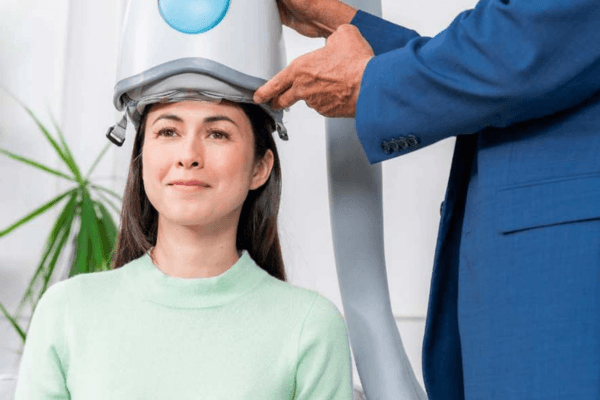
Many patients report meaningful improvement in mood, motivation, and daily functioning after completing a series of sessions. TMS works by stimulating brain areas that may be underactive in people experiencing depression.
Over time, this stimulation can help improve communication between brain cells responsible for mood regulation. For individuals who have not responded well to medications, TMS offers another option that focuses directly on brain activity rather than relying only on medication.
TMS may be recommended for patients who have been diagnosed with depression or similar mental health conditions and have not experienced sufficient improvement with traditional treatments. A psychiatric evaluation is usually performed to determine whether the treatment is appropriate.
During your consultation, your provider will review your symptoms, treatment history, and overall health to decide if TMS may be a suitable option for you.
Many patients consider this treatment because it offers several advantages compared to some traditional approaches.
Key benefits may include:
- Non-invasive treatment with no surgery required
- No anesthesia or sedation during sessions
- Patients remain awake and comfortable throughout treatment
- Minimal downtime after each session
- May help patients who have not responded well to medications
- Sessions are performed in a clinical office setting
- Many patients can continue normal daily activities after treatment
TMS uses controlled magnetic pulses to stimulate nerve cells in the part of the brain that helps regulate mood. In people with depression, this area of the brain may show reduced activity.
By gently activating these brain circuits, TMS helps improve communication between neurons responsible for emotional balance. With repeated sessions over several weeks, many patients begin to notice gradual improvements in mood, energy levels, and overall well-being.




Safe & FDA-Cleared
TMS is an FDA-cleared treatment that offers a non-invasive option for patients seeking relief from depression and other qualifying conditions. It is performed in a controlled clinical setting with patient safety as a priority.
Medication-Free Option
This treatment offers a non-drug approach for patients who have not responded well to medications or want to avoid unwanted side effects. It can be a valuable option when traditional treatment has not provided enough relief.
Covered by Insurance
Many insurance plans may cover TMS for eligible patients. Our team can help review your benefits and guide you through the coverage process before starting treatment.
Minimal Side Effects
TMS is performed while the patient remains fully awake and does not require sedation or downtime. Most patients are able to return to their usual daily activities shortly after each session.